
The Best Time to Visit Chiang Rai: A Season-by-Season Guide
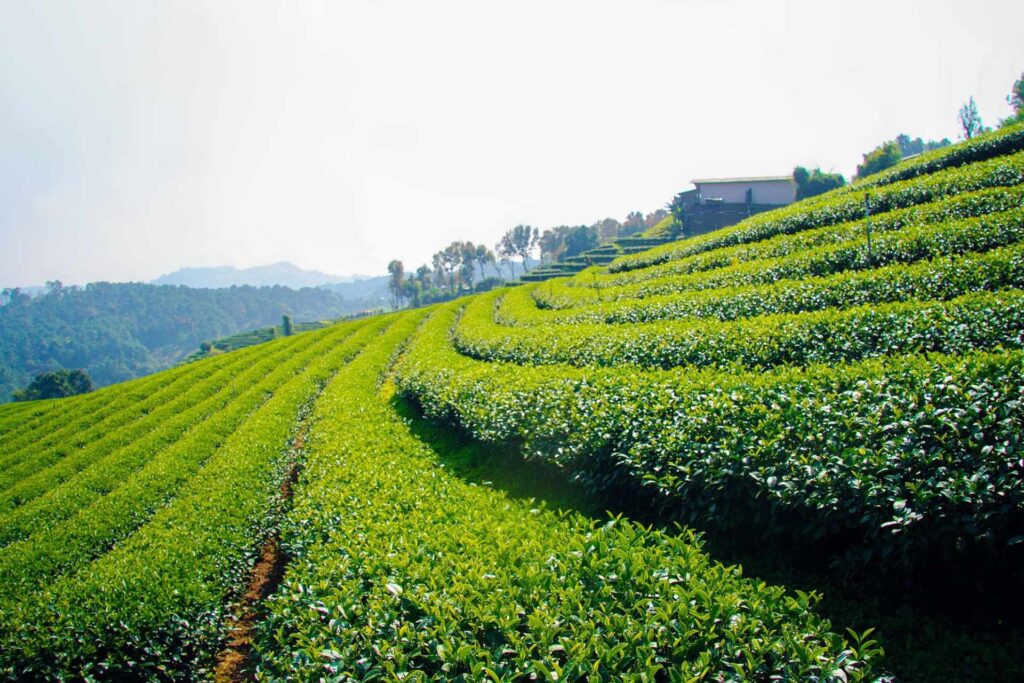
Katiliya Blog The Best Time to Visit Chiang Rai: A Season-by-Season Guide June 19, 2026 One of the loveliest things about Chiang Rai is that there is no single “right” time to visit — only different versions of beautiful. The cool, clear mornings of December feel worlds apart from the lush, rain-washed greens of August, and both have their devoted admirers. The best season for you depends entirely on the kind of holiday you are hoping to have. If you want the short answer: the cool season, from November to February, is the classic time to come, and the most popular for good reason. But there is far more to the story, and the quieter seasons hold their own quiet rewards. Here is what to expect, month by month and mood by mood. Cool Season (November to February) — The Classic Choice This is Chiang Rai at its most postcard-perfect. The humidity drops away, the skies turn a clear, bright blue, and the mornings carry a genuine chill — a rare treat in Thailand, and one the north wears beautifully. You may well want a light jacket for early starts and evenings, especially up in the mountains. It is the ideal season for everything Chiang Rai does best: temple-hopping under blue skies, long walks through the tea plantations, boat trips on the Mekong, and lazy afternoons with a view. The famous sea-of-mist viewpoints, where cloud pools in the valleys at dawn, are at their most magical now. This is peak season, so the most popular spots are busier and rooms are in demand — booking ahead is wise. But there is a reason this is when so many travellers choose to come. If you want Chiang Rai at its crisp, golden best, this is your window. Hot Season (March to May) — Warm Days and Fewer Crowds As spring arrives, the temperature climbs and the pace of tourism eases. The advantage is space: shorter queues at the temples, more room at viewpoints, and a calmer feel everywhere you go. Afternoons can be genuinely hot, so this is a season for early mornings, shaded lunches and unhurried days. One honest note worth knowing: across much of northern Thailand, March and April can bring a period of agricultural burning, which sometimes leaves a haze in the air. It is part of the rhythm of rural life in the region, and it varies year to year. If you are travelling during these months, the mountains tend to fare better than the lowlands, and planning indoor and highland activities for the warmest, haziest part of the day makes for a more comfortable trip. For travellers who prize quiet and value over peak-season polish, the hot season still has plenty to offer — particularly up in the cooler hills, where the air moves and the temperatures are kinder. Green Season (June to October) — Lush, Dramatic and Wonderfully Quiet Do not let the word “rainy” put you off. The green season is, for many, the most beautiful time in Chiang Rai. The rains transform the landscape — the rice terraces turn an impossibly vivid green, the waterfalls run full and thundering, and the whole region feels alive and freshly washed. The rain itself is rarely an all-day affair. More often it arrives as a dramatic afternoon downpour that clears as quickly as it came, leaving cool, clean air and spectacular skies behind. Mornings are frequently bright and perfect for exploring. This is also the season of fewer visitors and better value, when the famous sites can feel almost private. If you love photography, lush scenery and a slower, more contemplative trip — and you don’t mind carrying an umbrella — the green season may just be your favourite. Festivals and Seasonal Highlights Timing your visit around a festival adds something special. The cool season brings Loy Krathong and the northern Yi Peng lantern traditions, usually in November, when candlelit offerings drift across the water under the stars. Songkran, the Thai New Year water festival, lights up the streets in mid-April with joyful, drenching celebration. And the flower-filled gardens of Doi Tung are at their most vibrant in the cooler months. Whatever the Season — Your Place in the Mountains Here is the quiet truth about Chiang Rai: the weather shapes your days, but where you stay shapes how the whole trip feels. The Katiliya estate is built to make the most of every season. In the cool months, there is nothing finer than returning from a day of exploring to the crisp mountain air, a warm drink and the stillness of the forest. In the green season, the surrounding nature park is at its most lush and alive, and the sound of rain through the trees is its own kind of luxury. And in the warmth of the hot season, the spa and the shaded calm of the estate offer a welcome retreat from the midday sun. Whichever season — and whichever stay you choose between the Mountain Resort & Spa and the Park Villas — you have the full estate at your fingertips, including the shared nature park, the spa, the restaurant and the bar. It means the weather outside never limits what your day can be. So when should you visit Chiang Rai? Whenever you can. Each season offers a different gift — and the mountains are lovely in all of them. Whatever season calls to you, booking directly with Katiliya secures our best available rates and full access to the estate. We will help you make the most of your time in the north, whatever the skies are doing. >> BOOK NOW Recent Post June 16, 2026 ExperienceThe Ultimate Guide to Chiang Rai: Things to Do, See and Experience in Northern Thailand
The Ultimate Guide to Chiang Rai: Things to Do, See and Experience in Northern Thailand
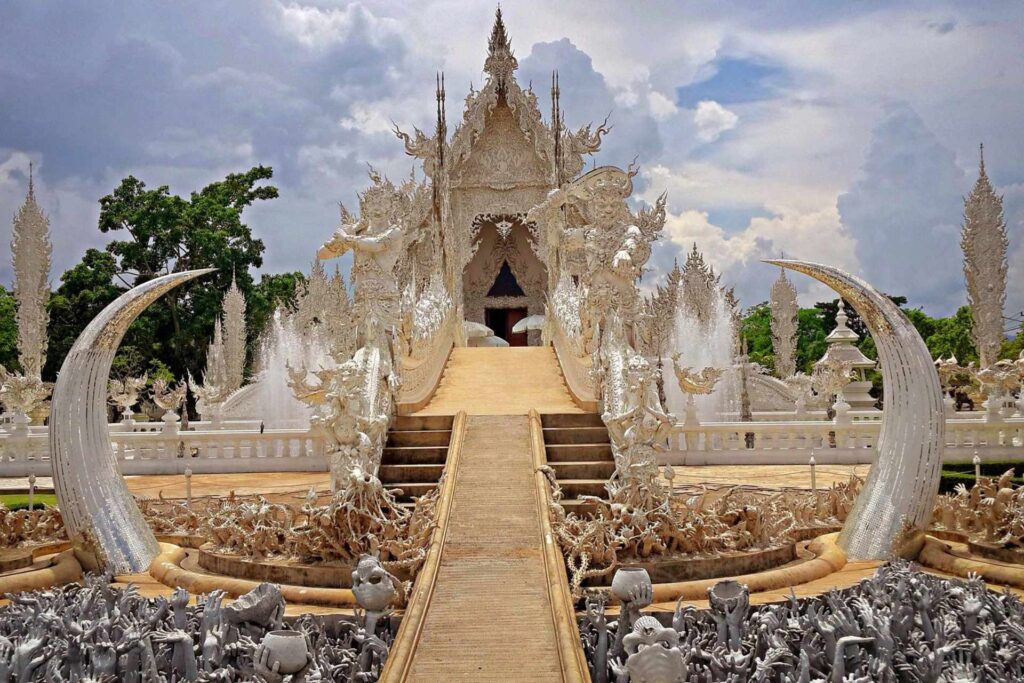
Katiliya Blog The Ultimate Guide to Chiang Rai: Things to Do, See and Experience in Northern Thailand June 16, 2026 There is a moment, somewhere on the road north from Chiang Mai, when Thailand seems to slow down and take a breath. The traffic thins. The hills rise green and folded on either side. The air turns cooler and cleaner, and the famous beaches of the south feel a very long way away. This is Chiang Rai — Thailand’s northernmost province, and one of the most quietly magical corners of the country. If your image of Thailand is white sand and turquoise sea, Chiang Rai will surprise you. Here, the landscape is mountains and mist, tea plantations and rivers, golden temples glittering against forested hills. It is a place to slow your pace, breathe deeply, and rediscover the kind of travel that leaves you genuinely rested. This guide will walk you through the very best of it. Where Chiang Rai Sits Tucked into the far north of Thailand, Chiang Rai borders both Myanmar and Laos, with the mighty Mekong River tracing part of its edge. It is the gateway to the legendary Golden Triangle, the meeting point of three nations, and a region shaped over centuries by the cultures that have crossed these mountains. The city of Chiang Rai itself is compact, friendly and walkable, with an excellent night bazaar and some of the warmest hospitality in the country. But the real treasures lie in the surrounding countryside — the temples, the mountains and the tea estates that reward anyone willing to venture a little further. The Temples That Made Chiang Rai Famous Chiang Rai’s temples are unlike any others in Thailand. The dazzling White Temple (Wat Rong Khun), with its mirror-flecked spires and dreamlike sculptures, is a contemporary work of art as much as a place of worship. Nearby, the Blue Temple (Wat Rong Suea Ten) glows in deep cobalt and gold, while the brooding Black House (Baan Dam) offers a striking, shadowy counterpoint. Together they form a trio that no first visit should miss — and they are extraordinary enough to deserve a guide of their own. For the full story behind each, and how to see all three in a single unforgettable day, our dedicated temple guide is the place to start. Mountains, Mist and Tea For many guests, the soul of Chiang Rai is found in its highlands. This is one of Thailand’s great tea and coffee regions, and a morning spent among the plantations is a morning very well spent. At Choui Fong Tea Plantation, neat emerald rows of tea ripple across the hillsides, with a hilltop café perfectly placed for a slow pot of tea and a long, unhurried view. Higher still lies Doi Mae Salong, a mountain village with deep Chinese-Yunnanese roots, where the tea is excellent and the cool air carries the scent of pine. To the west, Doi Tung rises towards the Myanmar border, crowned by the beautiful Mae Fah Luang Garden — a vivid, lovingly tended display of flowers and a moving tribute to the late Princess Mother. And just outside the city, Singha Park spreads across rolling farmland, a relaxed expanse of tea fields, lakes and gardens that is wonderful for cycling or simply wandering. The Golden Triangle and the Mekong No visit to the north is complete without standing at the Golden Triangle, where Thailand, Laos and Myanmar meet across the waters of the Mekong. Once notorious, today it is a place of quiet rivers, hilltop viewpoints and gentle history. A boat trip on the Mekong, watching the three borders drift past, is one of those simple travel pleasures that stays with you long after you return home. The nearby Hall of Opium museum tells the region’s complicated story with surprising depth and honesty — a thoughtful counterpoint to the views. Markets, Food and Northern Flavours Northern Thai food is its own delicious world, distinct from anything you will eat in Bangkok or the islands. Seek out khao soi, the rich, golden curry noodle soup that is the region’s signature dish, and the herb-forward sausages and dips of the north. Evenings are made for the Chiang Rai Night Bazaar, where food stalls, live music and handicrafts fill the air with colour. The Saturday and Sunday walking streets are equally lively — perfect for grazing your way through dinner while picking up something handmade to take home. Hill Tribe Heritage Chiang Rai is home to several of Thailand’s hill tribe communities, including the Akha, Karen, Lahu and Hmong, each with its own language, dress and traditions. Visiting these communities can be a genuinely enriching experience — provided it is done respectfully and through ethical, community-led tours that benefit the villages themselves. Approached the right way, it offers a window into a way of life shaped entirely by these mountains. When to Go Chiang Rai is a year-round destination, but its character shifts beautifully with the seasons — from the crisp, clear mornings of the cool season to the lush green drama of the rains. Each has its own appeal, and choosing the right one for you is worth a little thought. Our season-by-season guide covers exactly when to come and what to expect. Making Katiliya Your Base There is one decision that quietly shapes every Chiang Rai trip: where you choose to wake up each morning. Set among the forested hills, the Katiliya estate offers two ways to stay, both surrounded by the same nature park and mountain air. The Katiliya Mountain Resort & Spa is the place to be cocooned in five-star comfort — spacious suites, a serene spa, and views that change with the light. The Katiliya Park Villas offer a warmer, more relaxed villa stay, ideal for families and longer escapes. And here is the part many guests don’t expect: whichever you choose, you have full run of the estate. Park Villas guests enjoy complete access to the Mountain Resort’s facilities — the spa, the