
The Case for Booking Direct with Katiliya: Better Rates, Estate Access and Exclusive Perks
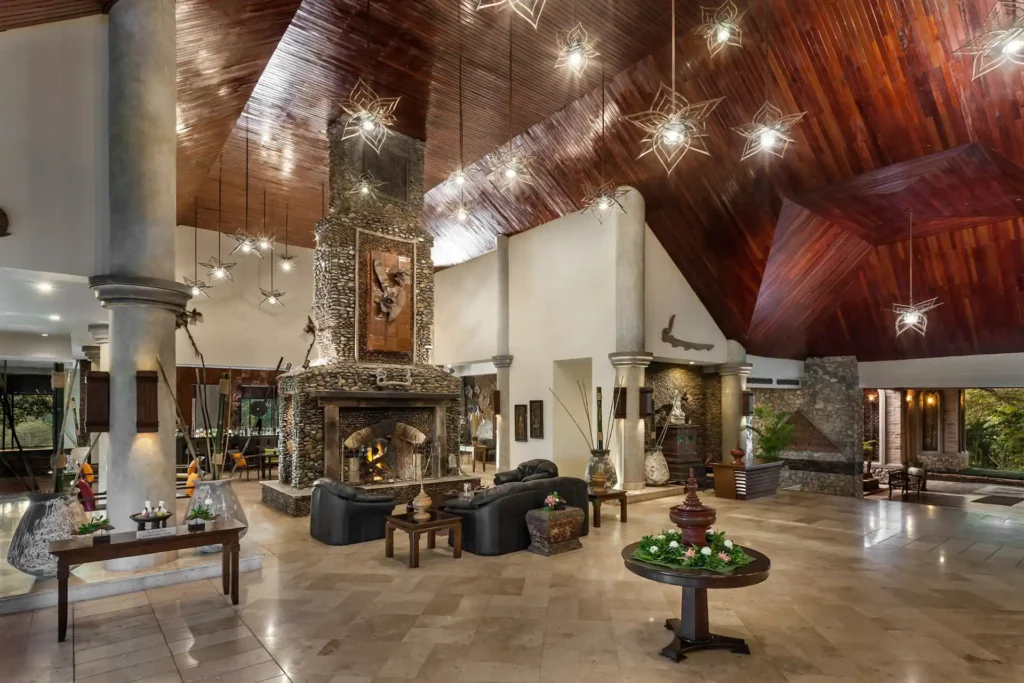
Katiliya Blog The Case for Booking Direct with Katiliya: Better Rates, Estate Access and Exclusive Perks June 26, 2026 When you have decided on a holiday, the last small decision is how to book it. It is easy to default to whichever travel website you used last, but where Katiliya is concerned, there is a simpler and more rewarding way: booking directly with us. It tends to mean a better rate, a more personal experience, and the full estate at your fingertips, with none of the guesswork that comes from booking through a third party. Here is the honest case for booking direct, and what it gives you that a booking site cannot. The Best Available Rate Let us begin with the part everyone cares about. Booking directly through our own website secures our best available rate, the price you see is the price we are most able to stand behind, without the markups and shifting margins that can creep in elsewhere. There is no middle layer between you and us, which means better value and a clearer picture of exactly what you are paying for. For returning guests, booking direct is also the way to enjoy the loyalty benefits we reserve for those who come back to us, our small thank-you for choosing the estate again. It pays, quite literally, to book with us directly. A More Personal Experience When you book direct, you are talking to the people who actually look after the estate, not a call centre on the other side of the world. That makes everything easier. Want to arrange an airport transfer, request a particular suite, plan a special occasion, or ask about the best time to visit the tea plantations? A direct booking puts you straight in touch with us, so your stay can be shaped around you from the moment you reserve. Special requests are simply easier when there is no intermediary. A quiet villa away from the path, a celebration cake, a dietary preference, an early check-in where we can manage it — these things are far more straightforward when you have booked with us directly and we know exactly who you are and what you would like. The Full Estate, Made Simple Booking direct also means we can make sure you understand and enjoy everything the estate offers. Katiliya is a single private estate with two ways to stay, the all-suite Mountain Resort & Spa and the relaxed, nature-immersed Park Villas, and whichever you choose, you have full access to the lakeside spa, the Terrace restaurant, the bar, the pools and the shared nature park. When you book through us, we can help you choose the right stay for your trip, explain how the estate works, and ensure you make the most of every facility, including, for Park Villas guests, full use of the Mountain Resort’s amenities. Booking sites rarely capture this; we are happy to walk you through it personally. Peace of Mind There is a quiet reassurance in booking direct, too. Your reservation is with us, confirmed by us, and managed by us. If your plans change, or you simply have a question, you have a direct line to the team rather than a maze of third-party policies to navigate. Should anything need adjusting before or during your stay, it is far simpler to put right when we hold your booking ourselves. How to Book Direct Booking with us could not be easier. Reserve your stay through our website, choosing between a mountain suite and a garden villa, and if you are unsure which suits you, simply get in touch and we will gladly help you decide. Share your travel dates and any requests, and we will take care of the rest, from your room to your airport transfer. That is all there is to it: a few minutes to book, our best available rate, and a team ready to make your stay everything you hope it will be. The Simple Choice A holiday at Katiliya is about slowing down, breathing the mountain air, and letting the estate work its quiet magic. Booking direct is simply the most rewarding way to begin, better value, a more personal welcome, and the full estate open to you from the moment you arrive. When you are ready, book with us directly. It is the easiest decision you will make about your trip, and one of the most worthwhile. Book directly with Katiliya for our best available rates, full access to the estate, and a warm welcome shaped around you. We look forward to having you with us in the misty hills of Chiang Rai. >> BOOK NOW Recent Post June 23, 2026 ExperienceBeyond the Temples: Hidden Gems and Day Trips Around Chiang Rai June 21, 2026 ExperienceChiang Rai’s Iconic Temples: A Guide to the White Temple, Blue Temple and Black House June 19, 2026 ExperienceThe Best Time to Visit Chiang Rai: A Season-by-Season Guide
How to Get to Katiliya from Chiang Rai International Airport
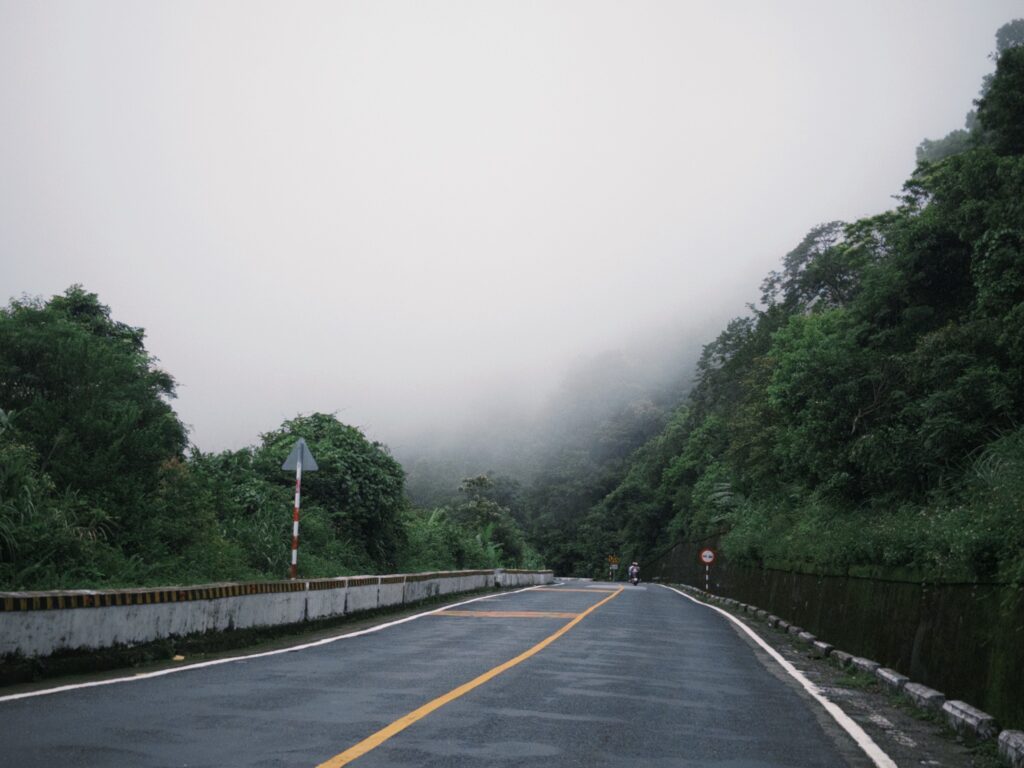
Katiliya Blog How to Get to Katiliya from Chiang Rai International Airport July 17, 2026 Part of the charm of Chiang Rai is that it feels gently removed from the world, high in the misty hills of the far north, away from the crowds and the rush. The happy news for travellers is that reaching it is far easier than its serene seclusion suggests. The Katiliya estate sits roughly forty minutes from Chiang Rai International Airport, along a scenic drive that eases you out of the everyday and into the mountains. Here is everything you need to know to arrive smoothly, from flights to transfers to that first beautiful approach through the hills. Flying into Chiang Rai Your gateway to the north is Chiang Rai International Airport (airport code CEI), also known as Mae Fah Luang–Chiang Rai International Airport. It sits just outside the city and is well connected to the rest of Thailand and beyond. The simplest route for most travellers is a short domestic hop. Bangkok is little more than an hour and a quarter away by air, with frequent daily flights from both of the capital’s airports. Chiang Mai, Phuket and other Thai cities also offer convenient connections, and there are selected international routes too. If you are already exploring Thailand, adding Chiang Rai to your itinerary is wonderfully easy , a quick flight and you are in a different world. From the Airport to the Estate Once you land, the estate is around a forty-minute drive away, heading north into the hills of the Mae Chan district. The journey itself is part of the pleasure: as you leave the city behind, the road climbs gently through countryside and forest, the air cools, and the mountains rise ahead. By the time you arrive, you are already in holiday mode. You have a few good options for the journey: Arrange a transfer with the estate (the easiest choice). The simplest and most relaxing way to arrive is to let us take care of it. We can arrange a private transfer to meet you at the airport and bring you directly to the estate, so there is nothing to organise on arrival , just step off your flight and let the mountains come to you. Do let us know your flight details in advance so we can have everything ready. Take a taxi or private car. Taxis and private cars are readily available at the airport, and the drive is straightforward. If you prefer to organise transport on the day, this is a perfectly easy option. Hire a car. For independent travellers who want the freedom to explore the tea plantations, temples and viewpoints at their own pace, car hire is available at the airport. The roads to the estate are good, and having your own vehicle makes day trips into the surrounding hills especially easy. Do bear in mind that the mountain roads reward an unhurried, careful driver. The Approach However you travel, the final stretch is lovely. The estate sits elevated above the valley, within twenty-eight hectares of private parkland, and the approach winds up into the forested hills that surround it. The temperature drops a degree or two, the views open up, and that first glimpse of the mountains framing the estate is a quiet thrill. Many guests say the holiday truly begins on this drive , and they are right. Tips for a Smooth Arrival A few small things make the journey even easier: Share your flight details in advance if you would like us to arrange your transfer, so your driver is waiting when you land. Allow a little extra time for the mountain roads, particularly in the green season when an afternoon shower can slow the pace. There is no need to rush , the drive is part of the experience. Bring a light layer. The north is cooler than the rest of Thailand, especially in the evenings and in the cool season, and you may feel the change as you climb into the hills. Let us know your arrival time. Whatever your travel plans, telling us when to expect you helps us make your welcome as warm and seamless as possible. Arriving Is Half the Pleasure For all its sense of seclusion, Katiliya is remarkably easy to reach: a short flight to Chiang Rai, a beautiful forty-minute drive into the hills, and you are there , wrapped in mountain air, surrounded by forest and parkland, with the whole estate waiting. Once you arrive, of course, the nature park, the spa, the restaurant and the bar are all on hand, whether you are staying in a mountain suite or a garden villa. Getting here, it turns out, is the gentlest part of the whole trip. Planning your journey? Book directly with Katiliya for our best available rates, and we will be glad to arrange your airport transfer and make your arrival effortless. >> BOOK NOW Recent Post June 23, 2026 ExperienceBeyond the Temples: Hidden Gems and Day Trips Around Chiang Rai June 21, 2026 ExperienceChiang Rai’s Iconic Temples: A Guide to the White Temple, Blue Temple and Black House June 19, 2026 ExperienceThe Best Time to Visit Chiang Rai: A Season-by-Season Guide
Why Park Villas Guests Enjoy Full Access to a Luxury Mountain Resort
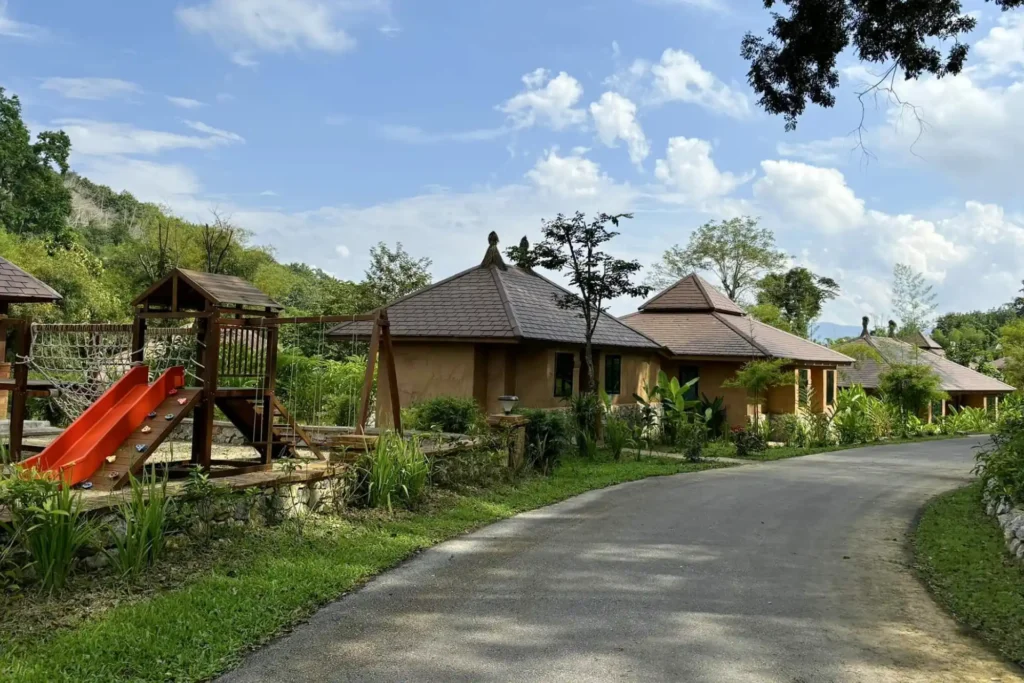
Katiliya Blog Why Park Villas Guests Enjoy Full Access to a Luxury Mountain Resort July 14, 2026 Here is a question worth asking before you book any holiday: what exactly does your room give you access to? At most resorts, the answer is simple, your room, and not much else. Book the more modest option, and the best of the property tends to stay just out of reach. Katiliya works differently, and it is one of the loveliest things about staying here. Choose the relaxed, nature-immersed Park Villas, and you do not give up the luxury side of the estate. You gain full access to it. Every facility at the Mountain Resort & Spa, the lakeside spa, the Terrace restaurant, the bar, the pools and the shared nature park, is open to you. This single fact quietly transforms the value of a villa stay, and it deserves a proper explanation. Two Stays, One Estate To understand the benefit, it helps to understand the setting. Katiliya is a single private estate of twenty-eight hectares in the misty hills of Mae Chan, within which sit two ways to stay: the all-suite, luxury Mountain Resort, and the simpler, more secluded Park Villas set within the estate’s nature park. Crucially, the estate’s facilities are not divided between them. They belong to the estate as a whole, and therefore to every guest. The Park Villas are not a separate, lesser property down the road; they are part of the same estate, with the same world of luxuries on hand. What “Full Access” Actually Means It is worth being specific, because the benefit is real and generous. As a Park Villas guest, you are warmly welcome to enjoy: The lakeside spa, with its private treatment terraces and outdoor hot tub overlooking the water and mountains, the same spa the resort’s suite guests enjoy. The Terrace restaurant, the estate’s open-air dining room serving Northern Thai and international cuisine, with those famous mountain views. The bar, including the atmospheric lobby bar with its fireplace, a perfect spot for an evening drink. The pools, where you can swim and lounge with the same forested backdrop. The nature park, the green heart of the estate, with its trails, twin lakes and resident deer, peacocks and swans. In short: the relaxed villa stay, with the full run of a luxury resort. The Value This Creates The maths of this is genuinely compelling. A villa stay is the more accessible way to experience Katiliya, well suited to families, longer trips and nature lovers seeking value and seclusion. Ordinarily, choosing the more affordable option at a resort means accepting fewer of its pleasures. Here, you accept none of that compromise. You enjoy the seclusion, character and value of the Park Villas, and you spend your days dipping into everything the Mountain Resort offers. A morning walk in the nature park, an afternoon treatment at the lakeside spa, a swim in the resort pool, dinner on the terrace as the sun sets over the hills, all of it is yours. It is, quite simply, one of the best-value luxury propositions in northern Thailand. A Day in the Life of a Park Villas Guest Picture it. You wake in your villa to birdsong and cool mountain air, deer grazing somewhere beyond the window. After a relaxed start, you wander the nature park as the morning mist lifts. Mid-morning, you make your way over to the resort, the estate shuttle makes it effortless, for a massage at the spa overlooking the lake. Lunch is on the terrace, with a view that makes you linger. The afternoon drifts by at the pool, a book in hand. As evening falls, you settle in at the bar for a drink by the fire before a leisurely dinner. Then back to your villa, secluded and quiet, for the deepest sleep you have had in months. That is not a luxury stay or a villa stay. It is both at once. Effortless to Enjoy Moving between the two sides of the estate could not be simpler. A shuttle connects the Park Villas with the Mountain Resort and its facilities, so the spa, the restaurant and the pools are always within easy reach. In practice, the whole estate becomes your holiday, you simply have the added pleasure of retreating to a more secluded, nature-immersed base at the end of each day. The Smart Way to Stay For travellers who love a good view, a good treatment and a good deal in equal measure, the Park Villas offer something rare: the experience of a luxury estate at the price of a relaxed villa escape. You lose nothing and gain a great deal. So if you have been weighing up where to stay at Katiliya, let this settle it. Whichever you choose, the whole estate is open to you, and the Park Villas may just be the cleverest way to enjoy all of it. To experience the estate in full, book your Park Villas stay directly with Katiliya for our best available rates, and make the most of every facility the Mountain Resort has to offer. >> BOOK NOW Recent Post June 23, 2026 ExperienceBeyond the Temples: Hidden Gems and Day Trips Around Chiang Rai June 21, 2026 ExperienceChiang Rai’s Iconic Temples: A Guide to the White Temple, Blue Temple and Black House June 19, 2026 ExperienceThe Best Time to Visit Chiang Rai: A Season-by-Season Guide
Inside Katiliya’s Private Nature Park: Forest Trails, Mountain Air and Wildlife
Katiliya Blog Inside Katiliya’s Private Nature Park: Forest Trails, Mountain Air and Wildlife July 10, 2026 Some places you visit. Others you step into and feel yourself exhale. The nature park at the heart of the Katiliya estate is firmly the second kind, twenty-eight hectares of private parkland folded into the misty hills of Mae Chan, where the air is cool and clean, the lakes are still, and the only sounds are birdsong and the soft movement of the forest. For all that Chiang Rai offers beyond the gates, temples, tea fields, rivers and markets, many guests find that their fondest memories are made right here, on the estate itself. This is a place designed to be wandered slowly, with no agenda and nowhere particular to be. Here is what awaits you. A Landscape That Belongs to You Set high above the valley, the estate’s parkland is a rare thing: a genuine pocket of private wilderness, lovingly kept but never tamed into something artificial. Forested slopes rise around tranquil lakes; trails wind between the trees; and the mountains of northern Thailand frame every view. The elevation brings a gentleness to the climate that the lowlands never quite manage, mornings here can be properly crisp, the kind that call for a warm drink and an extra layer. Because the park is shared across the whole estate, every guest has the full run of it, whether you are staying in a mountain suite or a garden villa. It is the green, living heart that the two stays are built around. Wildlife at Your Doorstep What gives the park its particular magic is its wildlife. This is no ordinary hotel garden. Gentle deer move through the grounds; peacocks roam freely, occasionally unfurling into full, improbable splendour; and the lakes are home to graceful swans gliding across the water. A bird sanctuary fills the canopy with colour and song, and a quiet half-hour with a coffee and a pair of eyes turned upward is one of the simplest pleasures the estate offers. For families, the wildlife is a quiet revelation, children who arrive glued to screens often end up spending whole afternoons watching the deer or counting peacocks. For couples and solo travellers, it lends the whole estate a storybook serenity that is increasingly hard to find. Trails, Lakes and Slow Mornings The park is best discovered on foot. Forest trails thread through the trees and around the water, ideal for an unhurried morning walk before the day warms, or a gentle stroll to settle a good dinner. There is no rush and no set route, the joy is in the wandering. Mornings are the park’s finest hour. As the mist lifts off the lakes and the light filters through the canopy, the whole estate feels freshly made. It is a wonderful time to walk, to breathe, and to watch the wildlife at its most active before the heat of the day sets in. Pause by the water, find a quiet bench, and let the mountains do the rest. A Park for Every Season The character of the park shifts beautifully through the year. In the cool season, clear skies and chilly mornings make for invigorating walks and that signature mountain mist. In the green season, the rains turn everything an impossibly vivid emerald, the lakes brim, and the forest hums with life. Even the warmer months have their charm, when the shaded trails and cool of the trees offer a natural retreat from the midday sun. Whenever you visit, the park rewards a little curiosity. Step outside early, follow a trail you haven’t walked, and you will almost certainly find something, a deer at the treeline, a peacock on the path, a view you hadn’t noticed before. The Calm at the Centre of Everything Part of what makes the nature park so special is how it shapes the rhythm of a stay. With the spa, the restaurant and the bar all set within or alongside it, you can build a day entirely around the estate’s quiet pleasures: a morning walk among the deer, a treatment overlooking the lakes, a long lunch on the terrace, an afternoon by the pool, and a nightcap by the fire as the forest darkens around you. And because the park belongs to the whole estate, this serenity is yours whichever stay you choose, the all-suite Mountain Resort & Spa or the relaxed, nature-immersed Park Villas. The same trails, the same lakes, the same wildlife, the same cool mountain air. Chiang Rai’s famous sights will always be there, a short drive away whenever you want them. But do leave time for the estate itself. The nature park is not a backdrop to your stay, for many guests, it turns out to be the whole point of it. To make the estate your own, book directly with Katiliya for our best available rates and full access to the parkland, spa and dining. Some of the best moments of your stay will be the ones closest to home. >> BOOK NOW Recent Post June 23, 2026 ExperienceBeyond the Temples: Hidden Gems and Day Trips Around Chiang Rai June 21, 2026 ExperienceChiang Rai’s Iconic Temples: A Guide to the White Temple, Blue Temple and Black House June 19, 2026 ExperienceThe Best Time to Visit Chiang Rai: A Season-by-Season Guide
One Estate, Two Stays: How Katiliya Mountain Resort and Park Villas Work Together
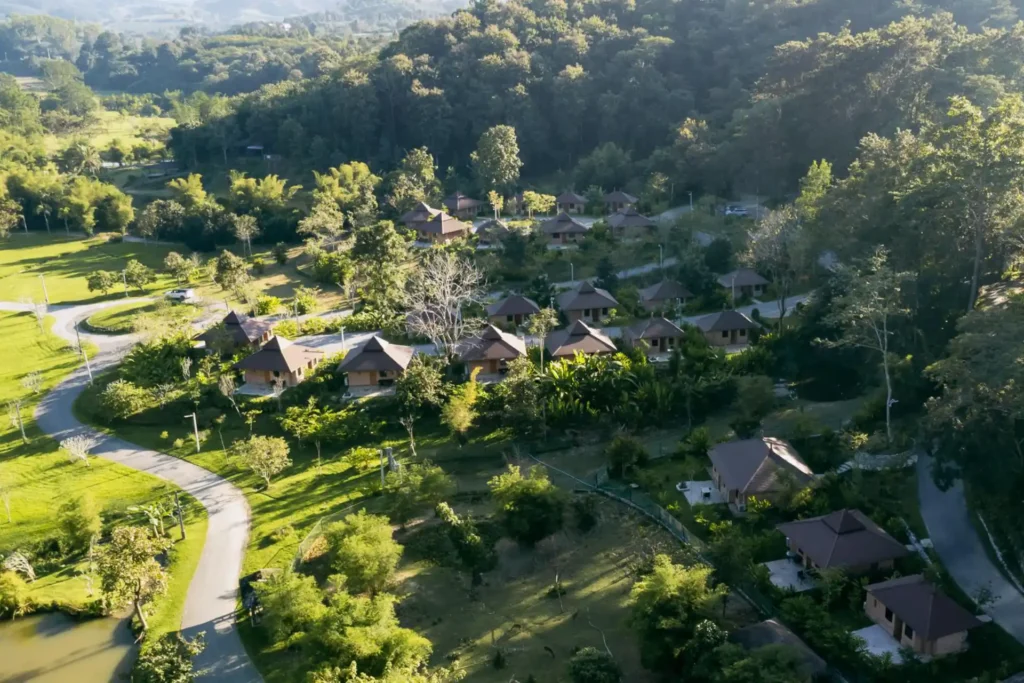
Katiliya Blog One Estate, Two Stays: How Katiliya Mountain Resort and Park Villas Work Together July 7, 2026 Most resorts ask you to make a single choice: this room, this style, this price. Katiliya offers something a little more generous. Set within one private estate in the misty hills of Mae Chan, it brings together two distinct ways to stay, the refined comfort of the Mountain Resort and the relaxed, nature-immersed Park Villas, and lets you enjoy the best of both, whichever you choose. It is an arrangement that surprises many first-time guests, and delights them once they understand it. Here is how the two stays work, what makes each special, and why the whole is so much greater than the sum of its parts. One Estate, Shared by Both Everything begins with the estate itself: twenty-eight hectares of private mountain parkland, elevated above the valley and surrounded by the forests, lakes and tea-growing hills of northern Thailand. Within it sit two places to stay, but one shared world, the same nature park, the same wildlife, the same cool mountain air, the same spa, restaurant and bar. This is the key to understanding Katiliya. You are not choosing between two separate hotels. You are choosing how you would like to stay within a single estate whose facilities and beauty belong to every guest. The Mountain Resort & Spa The Katiliya Mountain Resort & Spa is the estate at its most polished. An all-suite retreat, it is built around space, privacy and panoramic views. The suites are generous and beautifully finished in natural materials and indigenous wood, each with a private balcony framing the mountains and forest. Many offer the room to spread out across one, two or three bedrooms, ideal for those who like a little grandeur. This is the stay for guests who want the full embrace of luxury: the lakeside spa with its private terraces and outdoor hot tub, the open-air Terrace restaurant with its Northern Thai and international menus, the infinity pools, and the attentive service that makes a special trip feel truly special. If you are marking an occasion, or simply believe a holiday should be indulgent from start to finish, the Mountain Resort delivers. The Park Villas The Katiliya Park Villas offer a different, gentler pleasure. Set within the estate’s nature park, these are simpler, more relaxed lodgings designed for those who want to be immersed in nature without unnecessary fuss, secluded, peaceful, and wonderfully easy. With wildlife genuinely at your doorstep, swans on the lakes and deer wandering the grounds, the villas feel like a private hideaway among the hills. This is the stay for nature lovers, for families, and for travellers planning a longer, slower escape where value and tranquillity matter most. It is unpretentious in the best sense, a calm, characterful base from which to enjoy everything the estate and the region offer. The Best Part: You Don’t Have to Choose Here is what makes Katiliya genuinely different. Choosing the Park Villas does not mean missing out on the more luxurious side of the estate. Park Villas guests enjoy full access to the Mountain Resort’s facilities, the lakeside spa, the Terrace restaurant, the bar, the pools and the shared nature park are all open to you. It means you can book the relaxed, nature-immersed villa stay and still spend your afternoons at the spa, your evenings dining on the terrace and your days by the resort pool. You get the seclusion and value of the villas with the full run of the resort’s luxuries, a combination very few places anywhere can offer. A shuttle connects the two sides of the estate, so moving between your villa and the resort’s facilities is effortless. In practice, the whole estate becomes your holiday, regardless of where you lay your head. Which Stay Is Right for You? Both stays suit different moods and different trips. Choose the Mountain Resort & Spa if you want spacious suites, panoramic balconies and the full luxury experience, or if you are celebrating something and want to be thoroughly looked after. Choose the Park Villas if you are drawn to nature, travelling as a family, planning a longer stay, or simply prefer a relaxed, secluded base, knowing the resort’s facilities remain entirely open to you. And if you are torn? You can mix and match across a longer trip, or simply pick the stay that fits your budget and lean on the shared estate for everything else. There is no wrong choice, only the one that suits you best. One Estate, Endless Ways to Enjoy It What ties it all together is the land itself: the parkland, the lakes, the wildlife and the mountains that surround both stays. Whether you wake in a mountain suite or a garden villa, you wake to the same misty hills, the same birdsong, the same sense of having found somewhere quietly extraordinary. That is the real magic of Katiliya. Two ways to stay, one beautiful estate, and the freedom to enjoy all of it. Ready to choose your stay? Book directly with Katiliya for our best available rates and full access to the estate, whichever side you call home, the whole of it is yours. >> BOOK NOW Recent Post June 23, 2026 ExperienceBeyond the Temples: Hidden Gems and Day Trips Around Chiang Rai June 21, 2026 ExperienceChiang Rai’s Iconic Temples: A Guide to the White Temple, Blue Temple and Black House June 19, 2026 ExperienceThe Best Time to Visit Chiang Rai: A Season-by-Season Guide
Planning a Mountain Spa Retreat in Chiang Rai
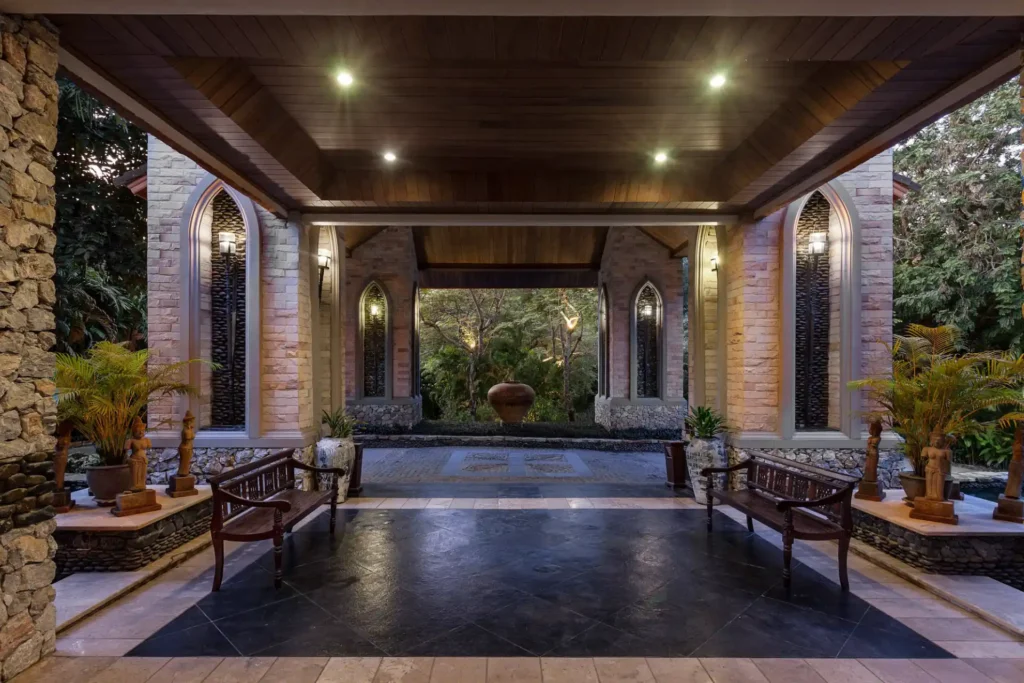
Katiliya Blog Planning a Mountain Spa Retreat in Chiang Rai July 3, 2026 There is a particular kind of rest that only the mountains can give. Away from the heat and hurry of the city, up where the air is cool and the views run for miles, the body seems to remember how to slow down. Add the unhurried ritual of a spa, and you have the makings of a genuine retreat, the sort of escape you return home from feeling not just relaxed, but restored. Chiang Rai, with its misty hills and gentle pace, is made for exactly this. And at the Katiliya estate, the spa sits at the very heart of the experience. If you are dreaming of a wellness escape in northern Thailand, here is how to plan one beautifully. Why the Mountains Make the Best Retreats A spa day is lovely anywhere. A spa retreat in the mountains is something more. The cooler climate of the north means you can spend time outdoors in comfort, move between treatment and trail without wilting in the heat, and sleep deeply in the crisp night air. The quiet helps, too, there is little here to distract you, and that emptiness is precisely the point. Set high above the valley in the hills of Mae Chan, the estate offers the seclusion that real rest requires. No traffic, no crowds, no sense of the world pressing in. Just forest, lakes and mountains, and the time and space to enjoy them. The Spa The estate’s spa is set lakeside, with treatment rooms opening onto private terraces and an outdoor hot tub looking out across the water to the mountains beyond. It is a setting that does half the work before a single treatment begins, the kind of place where you find your shoulders dropping the moment you arrive. The treatment menu draws on Thailand’s rich tradition of therapeutic massage and natural, plant-based care, from deep, restorative Thai massage to gentler aromatic treatments designed to ease you into stillness. Whether you book a single indulgent afternoon or a treatment a day across a longer stay, the lakeside setting turns each one into something memorable. What a Retreat Day Looks Like The beauty of a stay built around wellness is its rhythm. A perfect day on the estate might begin with an early walk through the nature park as the mist lifts, gentle movement, fresh mountain air, the company of deer and birdsong. Breakfast on the terrace follows, then the heart of the day: a treatment at the lakeside spa, unhurried and deeply restful. Afternoons are for the pool, a book in the shade, or simply doing nothing at all with a very good view. As evening settles, a leisurely dinner of Northern Thai cuisine and a quiet drink by the fire bring the day to a close. Repeat for two or three days and you will feel the difference, this is rest with depth to it. Wellness, the Northern Way Part of the pleasure of a retreat in Chiang Rai is how naturally wellbeing is woven into the region itself. The local tea and coffee, much of it grown on the surrounding hills, make for soothing, ritual moments throughout the day. The slower pace of the north encourages presence rather than rushing. And the landscape itself, all forest and mist and mountain, is its own quiet therapy. A retreat here is not just about treatments; it is about absorbing the calm of the place. A Retreat for Everyone A wellness escape need not mean travelling alone. Couples find the estate wonderfully romantic, with treatments and dinners made for two. Solo travellers appreciate the safety, seclusion and gentle social ease of the place. And because the spa, pools and nature park are open to every guest across the estate, families and groups can build a stay where some seek treatments and trails while others enjoy the pools and the wildlife, everyone resting in their own way. Whichever stay you choose, the all-suite Mountain Resort & Spa or the relaxed Park Villas, the spa and the estate’s facilities are yours to enjoy. It means a true mountain retreat is within reach whatever your budget or party. Planning Your Escape For the deepest rest, give yourself at least two or three nights, enough time to slow down properly, rather than to catch your breath and turn straight around. The cool season offers the crispest, clearest mountain days, but the spa is a sanctuary in any season, and the green months bring their own lush, restorative beauty. If you have ever felt the need to truly switch off, this is the kind of place that makes it possible. Mountains, mist, lakeside calm and a treatment with a view, sometimes the simplest plan is the best one. To plan your mountain retreat, book directly with Katiliya for our best available rates and full access to the spa, pools and nature park. We will help you shape a stay built entirely around rest.>> BOOK NOW Recent Post June 23, 2026 ExperienceBeyond the Temples: Hidden Gems and Day Trips Around Chiang Rai June 21, 2026 ExperienceChiang Rai’s Iconic Temples: A Guide to the White Temple, Blue Temple and Black House June 19, 2026 ExperienceThe Best Time to Visit Chiang Rai: A Season-by-Season Guide
Where to Stay in Chiang Rai: Choosing Between a Mountain Suite and a Garden Villa
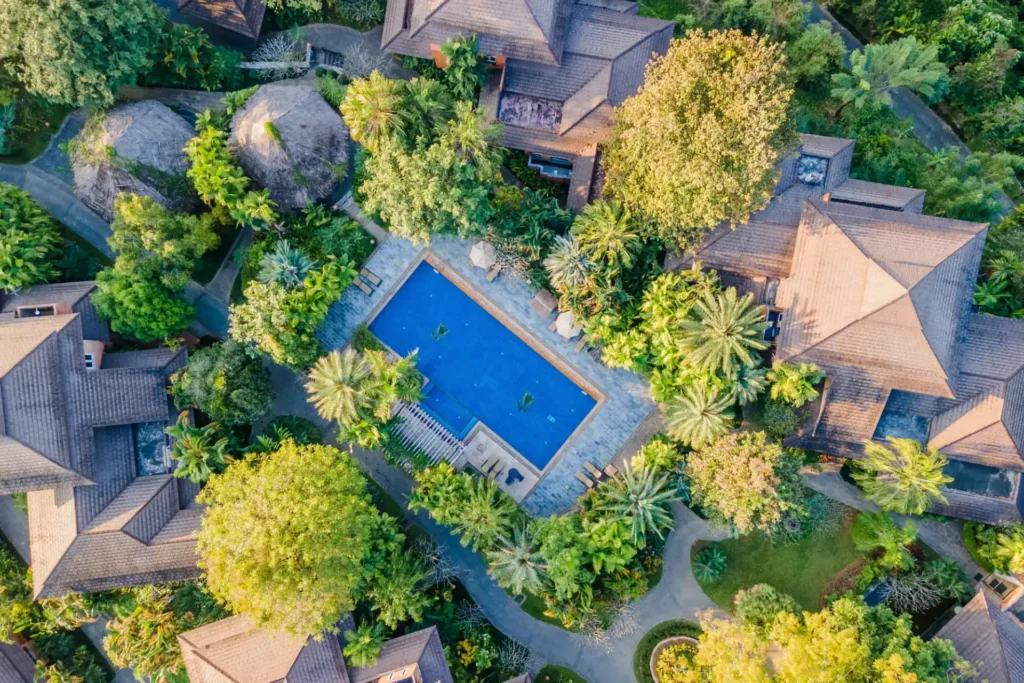
Katiliya Blog Where to Stay in Chiang Rai: Choosing Between a Mountain Suite and a Garden Villa June 30, 2026 Deciding where to stay can shape a whole holiday, and in Chiang Rai, the question carries a pleasant twist. At the Katiliya estate, you are not simply choosing a hotel, but choosing how you would like to stay within a single private estate that offers two very different experiences: the refined comfort of a mountain suite, or the relaxed seclusion of a garden villa. Both are wonderful. Both come with the full run of the estate. The right one for you comes down to the kind of trip you are planning. Here is a clear, honest guide to help you choose. First, the Thing That Makes It Easy Before we compare them, one reassuring point. Whichever you choose, you have full access to the entire estate, the lakeside spa, the Terrace restaurant, the bar, the pools and the shared nature park are all open to every guest. So this is not a choice between luxury and value, or between facilities and none. It is simply a choice of where you would most like to wake up each morning. That takes a lot of the pressure off. The Mountain Suite Experience The Katiliya Mountain Resort & Spa is the estate’s all-suite, luxury side, and it is built around space and a sense of occasion. The suites are generous, often a hundred square metres or more, beautifully finished in natural wood and materials, each with a private balcony that frames the mountains and forest. Many spread across one, two or three bedrooms, with separate living areas for those who like room to breathe. This is the stay to choose if you want: The full luxury experience, from spacious suites to attentive service. Panoramic views from your own private balcony. A special occasion to feel special, an anniversary, a honeymoon, a milestone trip. To be thoroughly looked after, with everything close at hand. If your idea of a holiday is to be cocooned in comfort with a beautiful view from your bed, the mountain suites are made for you. The Garden Villa Experience The Katiliya Park Villas offer a gentler, more grounded pleasure. Set within the estate’s nature park, these are simpler, relaxed lodgings designed for immersion in nature, secluded, peaceful and refreshingly uncomplicated. With deer wandering the grounds, swans on the lakes and birdsong all around, the villas feel like a private hideaway among the hills. This is the stay to choose if you want: A relaxed, nature-immersed base without unnecessary fuss. Excellent value, leaving more in the budget for treatments, dining and day trips. Space for a family or a group, with the nature park as a playground. A longer, slower escape, where tranquillity matters more than grandeur. And remember, choosing the villas does not mean missing the luxury side. You still enjoy the spa, the restaurant, the pools and everything else the resort offers. It is, for many, the cleverest way to stay. How to Decide A few simple questions usually settle it. What is the occasion? Celebrating something? The mountain suites add a sense of grandeur. A relaxed getaway or family trip? The villas are ideal. Who are you travelling with? Couples marking a special moment often lean towards the suites and their balconies. Families and groups frequently prefer the villas’ space, value and nature-park setting. How long are you staying? For a short, indulgent break, the suites make every night count. For a longer, slower escape, the villas’ value and easy charm come into their own. What matters most to you? If it is space, views and full-service luxury, choose a suite. If it is seclusion, nature and value, with all the resort’s facilities still on hand, choose a villa. Can’t Choose? You Don’t Entirely Have To If you are genuinely torn, you have options. On a longer trip, some guests split their stay between the two, enjoying a few nights in each. Others simply choose the side that fits their budget and lean on the shared estate, the same spa, the same dining, the same nature park, for everything else. Because the whole estate is open to every guest, there is no version of this choice that leaves you short-changed. Wherever You Wake, the Same Mountains In the end, both stays share the thing that matters most: the misty hills, the cool air, the forest and lakes, and the quiet sense of having found somewhere special. A mountain suite and a garden villa are simply two doors into the same beautiful estate. Choose the one that fits your trip, and let the rest of Katiliya take care of itself. Still deciding? Book directly with Katiliya for our best available rates, and we will happily help you choose the stay that suits you best, with full access to the estate either way. >> BOOK NOW Recent Post June 23, 2026 ExperienceBeyond the Temples: Hidden Gems and Day Trips Around Chiang Rai June 21, 2026 ExperienceChiang Rai’s Iconic Temples: A Guide to the White Temple, Blue Temple and Black House June 19, 2026 ExperienceThe Best Time to Visit Chiang Rai: A Season-by-Season Guide
The Tea and Coffee Trail of Northern Thailand: Plantations, Tastings and Mountain Views
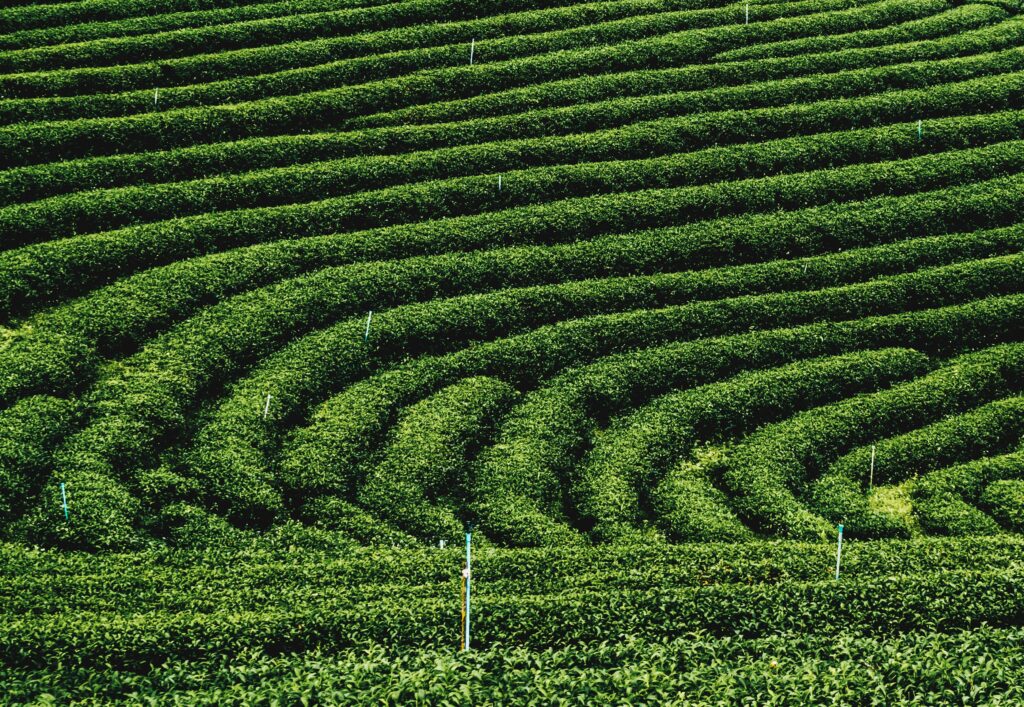
Katiliya Blog The Tea and Coffee Trail of Northern Thailand: Plantations, Tastings and Mountain Views June 26, 2026 There is a reason the hills of northern Thailand are so often wrapped in mist. The cool air, the high ground and the rich soil that make this landscape so beautiful also make it perfect for growing tea and coffee, and over the past few decades, Chiang Rai has quietly become one of Southeast Asia’s most rewarding regions for both. For travellers who love a slow morning, a good brew and a long view, following the tea and coffee trail is one of the great pleasures of the north. Better still, much of it sits right on the Katiliya estate’s doorstep. Here is where to go, what to taste, and how to make a leisurely day of it. Why the North Is Tea and Coffee Country Tea and coffee both thrive at altitude, and the mountains of Chiang Rai provide exactly the conditions they need: cool temperatures, morning mist, and well-drained hillside soil. Tea has deep roots here, particularly around the Chinese-Yunnanese communities of the higher slopes, while Thai highland coffee, including the celebrated beans of nearby Doi Chang, has earned a serious international following. The result is a landscape dotted with plantations, hilltop cafés and family-run roasteries, where the journey between them is half the joy. Winding mountain roads, sweeping views and the scent of fresh tea and roasting coffee make for a day that feels indulgent and restorative in equal measure. Choui Fong Tea Plantation If you visit just one, make it Choui Fong, and happily, it sits only a short drive from the estate. This is Chiang Rai’s most photogenic plantation, where neat emerald rows of tea ripple across the contours of the hills in a way that looks almost designed. The modern hilltop café is perfectly placed for a slow pot of tea, a slice of green tea cake and a long, contented gaze across the valley. It is an easy, gentle outing, ideal for a relaxed morning or afternoon, and its proximity to the estate makes it the natural first stop on any tea trail. Doi Mae Salong For tea with a story, climb to Doi Mae Salong, a mountain village with deep Yunnanese-Chinese heritage and a fascinating past. Wrapped in tea plantations and cooled by its high elevation, the village is a wonderful place to sample excellent oolong, wander local markets and feel the pine-scented air of the higher slopes. Small family tea houses welcome visitors for tastings, and the drive up , all switchbacks and views , is an adventure in itself. In the cool season, cherry blossoms sometimes dust the hillsides pink. Singha Park Closer to the city, Singha Park spreads across vast, rolling farmland that includes its own tea fields among the flower gardens and lakes. It is a relaxed, family-friendly expanse where you can cycle the trails, ride the shuttle, picnic on the lawns and stop for tea with a view. Less a working plantation experience and more a beautifully landscaped day out, it is a lovely, easy addition to the trail. Doi Chang and Highland Coffee No coffee lover should leave the north without seeking out Doi Chang, the mountain that put Thai coffee on the world map. The high-altitude beans grown here are rich, smooth and genuinely distinctive, and the surrounding villages , home to hill tribe communities who farm the slopes , offer a window into how the coffee is grown and processed. Whether you make the journey up or simply seek out Doi Chang and other local highland beans in the region’s cafés, it is a taste of the north worth chasing. Making a Day of It The pleasure of the tea and coffee trail lies in not rushing it. A relaxed approach is to pick two stops rather than four, leave plenty of time for the drives and the views, and let each tasting unfold at its own pace. Pause for a long lunch somewhere with a vista. Buy a bag or two of tea and beans to take home, they make the loveliest souvenirs, and a far better one than a fridge magnet. A few gentle tips: mornings tend to bring the clearest mountain views before any afternoon cloud builds; a light layer is wise for the higher, cooler plantations; and the winding mountain roads reward an unhurried driver, so allow more time than the map suggests. A Perfect Base for the Trail Part of what makes the Katiliya estate such a natural home for a tea-and-coffee trip is simply where it sits, high in the same misty hills that grow the leaves and beans, and only a short drive from Choui Fong. You can spend your morning among the plantations and be back on the estate by lunch, with the nature park, the spa and the terrace waiting. And whether you stay in the all-suite Mountain Resort & Spa or the relaxed Park Villas, the whole estate is open to you, so you can round off a day of tastings with a treatment, a swim or a quiet drink, all without leaving home. The tea and coffee of the north are more than a drink; they are a way of meeting the landscape, the people and the pace of this beautiful region. Follow the trail slowly, and it will reward you. To explore the tea trail from the perfect base, book directly with Katiliya for our best available rates and full access to the estate. We are happy to suggest routes and arrange your days among the plantations. >> BOOK NOW Recent Post June 23, 2026 ExperienceBeyond the Temples: Hidden Gems and Day Trips Around Chiang Rai June 21, 2026 ExperienceChiang Rai’s Iconic Temples: A Guide to the White Temple, Blue Temple and Black House June 19, 2026 ExperienceThe Best Time to Visit Chiang Rai: A Season-by-Season Guide
Beyond the Temples: Hidden Gems and Day Trips Around Chiang Rai
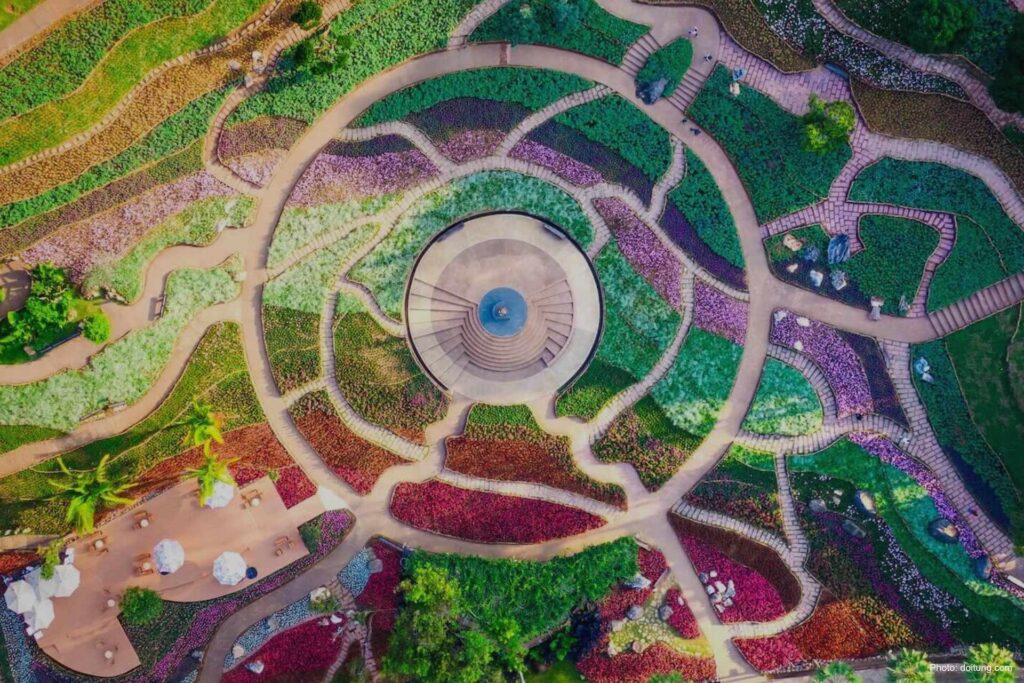
Katiliya Blog Beyond the Temples: Hidden Gems and Day Trips Around Chiang Rai June 23, 2026 The White Temple and its famous companions may be the reason most travellers first come to Chiang Rai, but they are only the beginning. Venture a little further from the city and a quieter, wilder north reveals itself — mountain tea gardens, misty viewpoints, thundering waterfalls and rivers that mark the edge of nations. This is where Chiang Rai stops being a sightseeing checklist and becomes something you feel. If you have a few days here and a sense of adventure, these are the day trips and hidden corners worth seeking out. Each one is an easy excursion, and each rewards you with the kind of scenery that stays with you. Doi Tung and the Mae Fah Luang Garden Rising towards the Myanmar border, Doi Tung is one of the most beautiful corners of the province — and one of the most meaningful. Once a remote and troubled area, it was transformed through a royal development project into a model of sustainable highland living, complete with coffee, tea and immaculate gardens. The jewel here is the Mae Fah Luang Garden, a glorious cascade of flowers in every colour, framed by cool mountain air and far-reaching views. Nearby, the Royal Villa offers a glimpse into the life of the late Princess Mother, who made this hillside her home. It is a serene, uplifting place, and the drive up through the forest is half the pleasure. Doi Mae Salong — A Mountain with a Story For something genuinely different, climb to Doi Mae Salong, a mountain village with deep Yunnanese-Chinese roots and a fascinating history of resettlement. Today it is a peaceful settlement wrapped in tea plantations, where you can sip excellent oolong, wander local markets and feel the cooler, pine-scented air of the higher slopes. In the cool season, cherry blossoms sometimes dust the hillsides pink. Year-round, it offers a slower pace and a culture that feels distinct from anywhere else in Thailand — a reward for those willing to take the winding road up. Choui Fong Tea Plantation Closer to the estate, the Choui Fong Tea Plantation is one of Chiang Rai’s most photogenic spots, and deservedly popular. Rows of vivid green tea ripple across the contours of the hills, and the modern hilltop café is perfectly positioned for a slow pot of tea, a slice of cake and a long, contented gaze across the valley. It is an easy, gentle outing and a lovely way to spend a morning. Singha Park Just outside the city, Singha Park spreads across vast, rolling farmland — a relaxed expanse of tea fields, flower gardens, lakes and open sky. You can cycle the trails, ride the shuttle, picnic on the lawns or simply soak up the space. It is wonderfully unhurried and a particular favourite with families, with plenty of room for younger travellers to roam. The Golden Triangle and the Mekong To the north, the land meets the water at the legendary Golden Triangle, where Thailand, Laos and Myanmar come together across the Mekong River. Once infamous, today it is a place of quiet rivers and gentle history. Climb to a hilltop viewpoint to take in all three countries at once, or board a longtail boat and watch the borders drift past from the water. The thoughtful Hall of Opium museum nearby tells the region’s complex past with honesty and depth, and makes a fascinating counterpoint to the views. Khun Korn Waterfall For a dose of jungle and a gentle adventure, the Khun Korn Waterfall is one of the tallest in the province and well worth the effort. A shaded forest trail of around half an hour leads you through bamboo and tropical greenery to the base of the falls, where cool spray and a natural pool make a perfect reward. It is at its most spectacular in and just after the green season, when the water runs full and powerful. Phu Chi Fa and the Sea of Mist Among the most magical experiences in all of northern Thailand is watching dawn break over a sea of cloud. At viewpoints such as Phu Chi Fa, on the Laos border, the valleys below fill with mist overnight, and as the sun rises it sets the whole landscape glowing gold and pink. It requires an early, dark start to reach the summit before sunrise — but ask anyone who has done it, and they will tell you it is worth every lost hour of sleep. The cool season offers the best chance of clear, mist-filled mornings. Meeting the Hill Tribe Communities Chiang Rai is home to several of Thailand’s hill tribe peoples — the Akha, Karen, Lahu and others — each with its own language, dress and traditions. Visiting their communities can be a genuinely enriching part of a trip north, offering a window into a way of life shaped entirely by these mountains. The key is to choose well. Look for ethical, community-led experiences that respect local people and channel benefit back into the villages themselves, rather than treating them as a spectacle. Approached thoughtfully, these encounters are among the most memorable of any Chiang Rai visit. Your Base for It All Days like these — winding up to tea gardens, chasing waterfalls, rising before dawn for the mist — are made far easier and far more enjoyable when you have a comfortable, restful base to set out from and return to. That is exactly what the Katiliya estate is designed to be. Set in the forested hills with its own nature park, the estate puts you within reach of all of this while keeping the calm of the mountains close at hand. Spend your days exploring, then come home to a spa treatment, a quiet dinner and the sound of the forest. And whether you choose the Mountain Resort & Spa or the more relaxed Park Villas, the whole estate is open to you —
Chiang Rai’s Iconic Temples: A Guide to the White Temple, Blue Temple and Black House
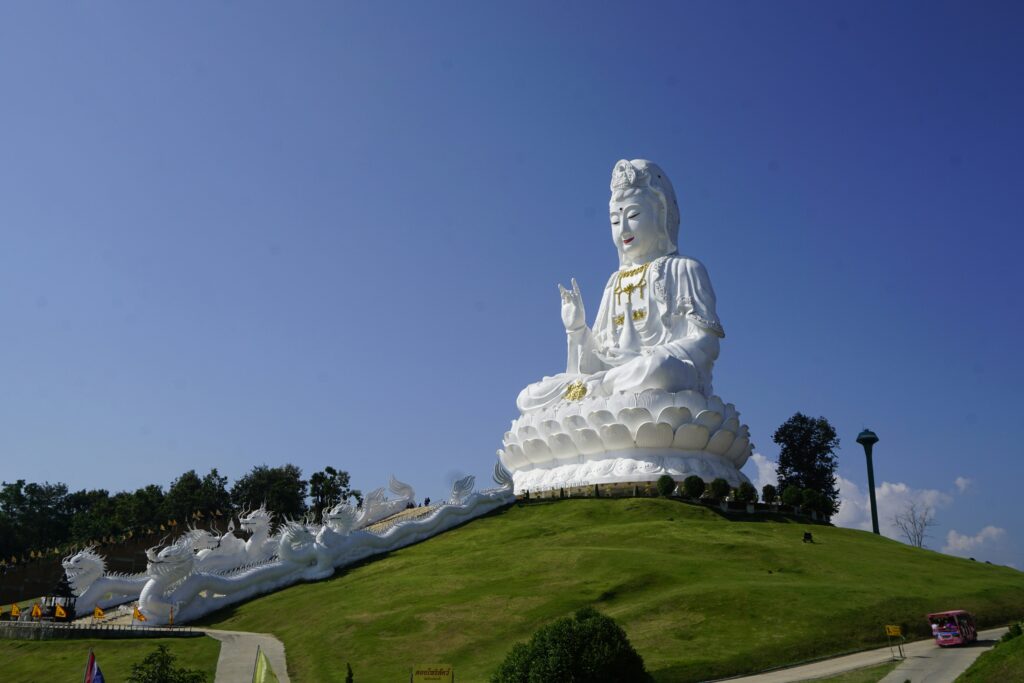
Katiliya Blog Chiang Rai’s Iconic Temples: A Guide to the White Temple, Blue Temple and Black House June 21, 2026 Thailand has no shortage of beautiful temples, but Chiang Rai’s are different. Here, faith and contemporary art meet in the most extraordinary ways — temples conceived by visionary artists, painted in colours you have never seen on a place of worship, and filled with imagery that is by turns dazzling, dreamlike and deeply moving. Three of them sit at the very top of every Chiang Rai itinerary: the gleaming White Temple, the cobalt Blue Temple, and the brooding Black House. Visited together, they form one of the most memorable days you can spend in northern Thailand. Here is what makes each one special, and how to see them all without rushing. The White Temple (Wat Rong Khun) If you see only one temple in Chiang Rai, make it this one. Wat Rong Khun — the White Temple — is the life’s work of Thai artist Chalermchai Kositpipat, who began building it in the late 1990s and continues to expand it to this day. From a distance it appears almost unreal: a pure white temple encrusted with tiny mirrored fragments that catch the sunlight and scatter it in every direction. The white symbolises the purity of the Buddha; the mirrors, his wisdom shining across the earth. To reach the main hall, you cross a bridge over a sea of reaching, outstretched hands — a striking representation of human desire and the path away from it. Inside, the murals blend traditional Buddhist scenes with surprising modern imagery, a reminder that this is a living, evolving artwork as much as a sacred space. A few practical notes: as an active temple, modest dress is required — shoulders and knees covered — and there is a quiet etiquette to observe inside the main hall, where photography is generally not permitted. Arrive early to beat both the heat and the crowds; the temple is at its most serene in the soft light of morning. The Blue Temple (Wat Rong Suea Ten) A short drive from the White Temple lies its vivid counterpart. Wat Rong Suea Ten — the Blue Temple, whose name means “House of the Dancing Tiger” — is a riot of deep sapphire and gold. Where the White Temple dazzles with light, the Blue Temple glows with colour, every surface painted in rich cobalt and detailed with intricate patterns. At its heart sits a luminous white Buddha, serene against the blue, in one of the most photogenic temple interiors in all of Thailand. Built more recently by a student of the White Temple’s creator, it carries the same spirit of bold artistic reinvention. It is smaller and quieter than its famous neighbour, which makes it all the more rewarding — a place to linger rather than tick off. The Black House (Baan Dam Museum) The third point of the trio is, strictly speaking, not a temple at all — and that is precisely the point. Baan Dam, the Black House, is the creation of the late artist Thawan Duchanee, and it stands as a deliberate, shadowy counterweight to the White Temple’s light. It is not a single building but a sprawling collection of dark structures set in gardens, filled with the artist’s striking and sometimes confronting collection of bones, hides, horns and carved wood. Some find it haunting, others spellbinding; almost everyone finds it unforgettable. Where the White Temple speaks of purity and the heavens, the Black House explores the darker, earthier sides of human nature. Seen together, the two offer a genuine meditation on light and shadow — a conversation between two of Thailand’s great artists. A Worthy Fourth: Wat Huay Pla Kang If you have time, add a fourth stop to your day. Wat Huay Pla Kang is crowned by an enormous, gleaming white statue of Guan Yin, the Goddess of Mercy, visible for miles across the surrounding countryside. You can ride a lift up inside the statue for sweeping views, and the elegant nine-tiered pagoda nearby is beautiful in its own right. It sees fewer international visitors than the famous three, which makes it a peaceful and rewarding addition. How to See Them All in a Day The good news is that these sites sit close enough together to comfortably combine in a single day. A relaxed and rewarding order is to begin at the White Temple early, when the light is soft and the crowds are thin, move on to the Blue Temple, pause for a leisurely northern lunch, and finish at the Black House in the afternoon. Add Wat Huay Pla Kang if your energy and your schedule allow. A few tips to make the day smoother: Dress respectfully. Cover shoulders and knees at the active temples; a light scarf is useful for the heat and for covering up. Start early. The morning light is kinder, the air is cooler, and the most famous spots are far more peaceful. Mind your photography. Exteriors are a joy to photograph, but interiors of active temples often ask for none — watch for the signs and follow the lead of those around you. Take your time. These are places to absorb, not to race through. Two or three thoughtful stops beat a frantic five. A Calm Place to Return To A day among Chiang Rai’s temples is uplifting, but it is also a full one — plenty of walking, plenty of sunshine, plenty to take in. The pleasure of it doubles when you have somewhere genuinely restful to come home to. That is where the Katiliya estate comes into its own. After a day of mirrored spires and cobalt halls, there is real joy in returning to the cool of the mountains — a stroll through the nature park, a treatment in the spa, a quiet dinner under the stars. Whether you stay at the Mountain Resort & Spa or the Park Villas, the entire estate is yours to enjoy,